
💰 Quick Context: The Caribbean guilder
Curaçao uses the Caribbean guilder (XCG, written Cg), pegged to the US dollar at 1.79 XCG = $1 USD. A coffee costs Cg 5–12, a restaurant meal Cg 20–60, and a hotel night Cg 150–600. Quick math: roughly 1.8 XCG = $1 USD. Multiply by 0.56 to convert to dollars, so Cg 10 is about $5.60. Note: the XCG is scheduled to be replaced by the Caribbean Guilder (CMg), but the transition has been delayed multiple times. USD is also widely accepted on the island.
🎧 Order Currency Before You Fly
Have cash in hand when you land. Insured delivery, 2–5 day shipping.
Order Currency → CEI Currency ExchangeNew Notes Since 2025: Curaçao's Caribbean Guilder
Curaçao changed its money in 2025. The Netherlands Antillean guilder, a leftover of the Netherlands Antilles that were dissolved in 2010, was retired and the island now uses the Caribbean guilder (XCG), abbreviated Cg, issued by the Centrale Bank van Curaçao en Sint Maarten. The switch took place on 31 March 2025, and after a three-month overlap the old ANG stopped being accepted in shops at the end of June 2025.
Nothing changed for your budget. One US dollar still buys 1.79 guilders, exactly as before, because the new currency kept the old peg. Restaurants on Mambo Beach and in Pietermaai still quote in dollars as often as in guilders, and some handwritten price boards at the snack stands still say NAf.
Leftover ANG from an earlier holiday. A Punda shopkeeper or a taxi driver will turn old notes down. The central bank in Willemstad is the place that deals with exchanging them; check its current arrangements before you go. Avoid anyone selling old guilders cheaply online. For a new trip, dollars and a no-foreign-fee card are still all you need, and an MCB or Banco di Caribe machine will give you the new guilders if you want them.
Cash vs. Card: What to Expect in Curaçao
Curaçao is fairly card-friendly, especially in Willemstad and at beach resorts. However, smaller neighbourhoods and local spots still prefer cash.
Cards are widely accepted at hotels, restaurants, beach clubs like Mambo Beach and Jan Thiel, shops in Willemstad's Punda and Otrobanda districts, and dive operators. USD is widely accepted because the XCG is pegged to the dollar. Many businesses quote prices in both currencies, and you can often pay in either.
Cash is preferred at the floating market in Punda, local snèks (snack bars), some beach access points, by taxi drivers, and at smaller shops in Scharloo and Pietermaai. Carry Cg 50–100 (or the USD equivalent) as daily backup outside of hotels and resorts.
The Easiest Upgrade to How You Spend Abroad
A Wise account charges zero foreign transaction fees, converts at the real mid-market rate, and lets you tap to pay or pull cash worldwide. Set it up once and stop leaking money on every trip abroad.
Get the Wise Card →Free account, ~$9 card fee. Prefer cash in hand? Order local currency before you fly →
How to Get Guilders for Your Curaçao Trip
Curaçao uses the Caribbean guilder, pegged to the US dollar at XCG 1.79 = $1 (the same peg as Aruba and Sint Maarten). USD is accepted at virtually every business on the island: every Mambo Beach and Jan Thiel beach club, every Punda and Otrobanda Willemstad shop, every dive operator, and most full-service restaurants. Prices are routinely listed in both XCG and USD. Cash is still useful at the floating market in Punda, local snèks (snack bars), beach-access kiosks, taxi drivers, and small shops in Pietermaai and Scharloo. Most US travelers simply pack USD and let it ride. Curaçao is also slated to switch to the new Caribbean guilder (XCG) shared with Sint Maarten, with the XCG remaining valid during the transition.
Bring USD or order guilders before you fly
The simplest Curaçao setup: pack USD in clean small bills and let the 1.79 peg do the work. Every restaurant and shop takes USD at par, and you'll get change back in a mix of USD and XCG. If you want guilders specifically, a currency-exchange service like CEI Currency Exchange may stock XCG on request, with insured 2–5 day delivery (confirm before ordering, since XCG is rarely held in US retail). Most US home banks (Bank of America, Chase, Wells Fargo, Citi) generally do not stock guilders. Curaçao does not have a Bank of America Global ATM Alliance partner. The cleanest setup for most Curaçao trips: pack USD for cash needs, use a Wise or Charles Schwab card for resort and restaurant card payments, and pull a small XCG amount only if you'll spend extended time at local snèks or smaller Banda Bou village beaches.
Withdraw from a Curaçao bank ATM
On the ground, the cheapest source of XCG is one of the major Curaçao bank ATMs. Maduro & Curiel's Bank (MCB), Banco di Caribe, RBC Royal Bank Curaçao, Vidanova Bank, and Orco Bank all give the actual interbank rate (effectively the 1.79 XCG-USD peg) with no markup. Most don't add their own operator fee for foreign cards (a few specific machines charge a small XCG 5–10 fee, posted on the screen before you confirm). Withdrawal limits run roughly XCG 500–1,000 per transaction. ATMs cluster around Willemstad's Punda and Otrobanda, in the Sambil Curacao mall, along the airport at CUR (Hato) arrivals, and inside the larger Pietermaai-area boutique hotels. A useful feature: most bank ATMs let you choose between XCG or USD at the screen. Take XCG if you specifically want guilders; take USD if your trip is short and the 1:1 peg keeps the math simple. Decline DCC every time the screen offers "charge in USD" if your card already settles in USD. See the Best ATMs section below for the bank-by-bank lineup. Want to know what an MCB withdrawal will actually cost on your card? Drop it into our ATM fee calculator.
Airport counters & resort exchange windows
Three traps to walk past in Curaçao. The currency-exchange counters in arrivals at CUR (Hato International) advertise rates that look reasonable but routinely run 5–10% off the 1.79 XCG-USD peg, plus per-transaction fees. There's no good reason to use them: bank ATMs in the same arrivals area give you the peg minus only your home bank's fees. The exchange windows along Punda's Heerenstraat tourist strip and inside resort lobbies bake the markup into the rate. And the standalone independent ATMs at smaller hotel arcades along the Mambo Beach strip layer DCC pitches and operator fees on top. Stick to bank-branded ATMs at MCB, Banco di Caribe, RBC, Vidanova, or Orco; decline DCC; and remember USD works at the 1.79 peg at most resorts so you may need only minimal XCG. Curaçao does not yet have a city-specific guide on this site, but the Best ATMs section below covers the bank lineup.
For a side-by-side comparison of every method (bank wire, travel card, pre-order, ATM, exchange counter) including USD-to-XCG timing tips, see our complete Getting Currency guide →.
Best ATMs to Use in Curaçao
Curaçao's main banks (MCB, Banco di Caribe, RBC) operate ATMs across the island. These machines typically do not charge an operator fee for foreign card withdrawals, though your home bank may charge its own foreign transaction fee. Always choose XCG when prompted.
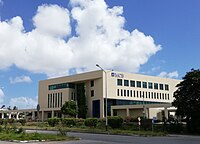
Maduro & Curiel's Bank (MCB)
The largest bank in Curaçao with ATMs across the island, including Willemstad, shopping centres, and Hato International Airport. MCB machines are reliable and widely available.
Recommended
Banco di Caribe
Good ATM coverage across Curaçao, with machines in Willemstad and surrounding areas. A solid alternative when MCB ATMs are busy or unavailable.
Recommended
RBC Royal Bank
Reliable ATMs for international cards. RBC has a presence in Willemstad and at key locations around the island. English-language interfaces are standard.
Recommended⚠ Watch Out for Dynamic Currency Conversion (DCC)
When an ATM or card terminal offers to charge you in USD instead of XCG, always decline. Choosing USD means accepting a 3–8% markup hidden in their exchange rate. This can occur at tourist-area ATMs and some restaurants. Always select "XCG" or "local currency" at every prompt.
ATMs to Avoid in Curaçao
Independent ATMs in tourist zones may charge extra fees and push DCC with poor exchange rates. Stick to the bank ATMs listed above.
Standalone Tourist-Area ATMs
Unbranded machines in souvenir shops, near cruise terminals, and along the Handelskade waterfront. These typically charge Cg 5–10 per withdrawal and offer unfavorable exchange rates through DCC.
AvoidPaying by Card in Curaçao
Card Networks
Visa and Mastercard are accepted at virtually all hotels, restaurants, shops, and supermarkets across Curaçao. American Express is accepted at larger hotels and some upscale restaurants, but many smaller businesses do not take it. Discover has very limited acceptance.
Contactless & Mobile Payments
Tap-to-pay works at modern businesses in Willemstad's Punda and Otrobanda districts and at beach resorts like Mambo Beach Boulevard. Apple Pay and Google Pay function at NFC-equipped terminals. Cruise terminal shops in the Rif Fort area accept cards, but market vendors nearby prefer cash.
Where Cards May Not Work
The floating market in Punda, where Venezuelan boats sell fresh produce and fish, is cash-only. Snèks (popular local snack bars serving keshi yena and bitterballen) throughout the island prefer or require cash. Beach access fees at some beaches like Cas Abao and Grote Knip are cash-only. Taxis: many drivers prefer cash in XCG or USD. Smaller shops in Scharloo, Pietermaai, and residential neighbourhoods may not accept cards for small purchases.
Tipping in Curaçao
Tipping Guide
At restaurants, 10–15% if a service charge is not already included. Check the bill first since some restaurants along the Handelskade and in Pietermaai add a 10–15% service charge automatically. At cafés, no tip is expected. Leaving small change is a nice gesture. Taxis: round up to the nearest convenient amount. Hotel porters receive Cg 2–5 per bag. For tour guides and dive instructors at operators like Ocean Encounters, Cg 10–20 per person for a full day is generous.
Willemstad & the Beaches: Practical Money Tips
Things to Know
USD is widely accepted due to the XCG's dollar peg. Many prices are quoted in both currencies, and you can pay in either at most businesses. Change is typically given in XCG. EUR is also accepted at tourist-facing businesses, though the exchange rate may not be favourable. XCG or USD gets you better value.
Willemstad's UNESCO waterfront is very card-friendly. The colourful Handelskade, Punda shopping district, and Otrobanda all have strong card acceptance. Beach clubs like Mambo Beach, Jan Thiel, and Blue Bay accept cards for food, drinks, and cabana rentals. Hato International Airport (CUR) has MCB ATMs in the arrivals area. Use these instead of exchange counters.
Renting a car is the best way to explore the island's western beaches (Playa Lagun, Kenepa, Cas Abao). Rental agencies accept cards. Dive shops and snorkelling tours accept cards for advance bookings. Booking ahead online is common and convenient.
Money Safety in Curaçao
Staying Safe
Curaçao is generally safe for tourists. Standard precautions apply: keep valuables secure at beaches like Cas Abao and Grote Knip and avoid flashing large amounts of cash in Willemstad at night.
Use ATMs inside MCB, Banco di Caribe, or RBC branches rather than standalone machines near the cruise terminal or along the Handelskade after dark. Curaçao is a Dutch Caribbean territory, so some card issuers flag it as unusual. Mention "Curaçao" specifically when notifying your bank to prevent holds.

Skip the Foreign Transaction Fees
The Wise card converts your money at the real mid-market exchange rate. No markups, no surprises. Spend guilders like a local.
Get the Wise Card →Frequently Asked Questions
What happened to the Netherlands Antillean guilder?
Curaçao replaced it with the Caribbean guilder (XCG) on 31 March 2025. The new currency keeps the old peg of 1.79 per US dollar, and old ANG notes have not been accepted in shops since the end of June 2025. The central bank in Willemstad handles exchanges of old notes; dollars remain accepted across the island.
Can I use US dollars in Curaçao?
Yes. USD is widely accepted alongside the Caribbean guilder (XCG) because the guilder is pegged to the dollar at 1.79. Hotels, restaurants, and shops in Willemstad accept both currencies. You will typically receive change in XCG.
What currency should I bring to Curaçao?
USD works perfectly for tourists. You can also use MCB or Banco di Caribe ATMs to withdraw XCG (guilders) for local spending. There is no need to obtain guilders before your trip. Euros are accepted at some businesses but at a less favourable rate.
Are cards widely accepted in Curaçao?
Yes, in Willemstad and at beach resorts. Visa and Mastercard work at most hotels, restaurants, shops, and beach clubs. Cash is needed for the floating market in Punda, snèks (local snack bars), some beach access fees, and taxis.
Is the floating market in Punda cash only?
Mostly yes. The Venezuelan floating market where boats sell fresh produce and fish operates primarily on cash. Bring XCG or USD in small denominations.
How much should I tip in Curaçao?
10–15% at restaurants if service is not already included on the bill. Check first since some restaurants add the charge automatically. Hotel porters get Cg 2–5 per bag. Tour guides and dive instructors appreciate Cg 10–20 per person.
Is Curaçao safe for tourists?
Generally yes. Curaçao is one of the safer Caribbean islands. Standard precautions apply: use hotel safes, avoid flashing cash, and stick to bank ATMs inside branches rather than standalone machines near the cruise port.
Quick Comparison
| Method | Cost | Convenience | Best For |
|---|---|---|---|
| No-FX-fee card (contactless) | Best (no fees, mid-market rate) | ★★★★★ | Daily spending in Willemstad, beach clubs, restaurants |
| Local bank ATMs (MCB, Banco di Caribe, RBC) | Low (no operator fee, fair rate) | ★★★★★ | Cash for floating market, snèks, taxis |
| Standalone / independent ATMs | High (fees + poor rates + DCC) | ★★★☆☆ | Never recommended |
| Airport exchange counters | High (5–12% markup) | ★★☆☆☆ | Absolute emergency only |
Curaçao Quick Facts
| Currency | Caribbean guilder (XCG, written Cg). Pegged at 1.79 XCG = $1 USD |
| Cash vs. Card | Card-friendly in Willemstad and resorts. Cg 50–100 cash backup recommended |
| Best ATMs | MCB, Banco di Caribe, RBC Royal Bank |
| Also Accepted | USD widely accepted. EUR accepted at many tourist businesses |
| Card Acceptance | Good in Willemstad, beach clubs, and resorts. Less reliable at snèks and local markets |
| Tipping | 10–15% at restaurants if no service charge included |
| DCC Risk | Can occur at tourist-area ATMs. Always choose XCG |
| Best Strategy | No-FX-fee card for most spending. Bank ATM cash for markets and taxis |